Why Renovate Your Staircase?
Your staircase is one of the most visually prominent features in a landed home — you see it every time you enter. Yet many homeowners overlook it during renovations, living with dated tile treads, worn carpeting, or generic aluminium railings that drag down the entire interior.
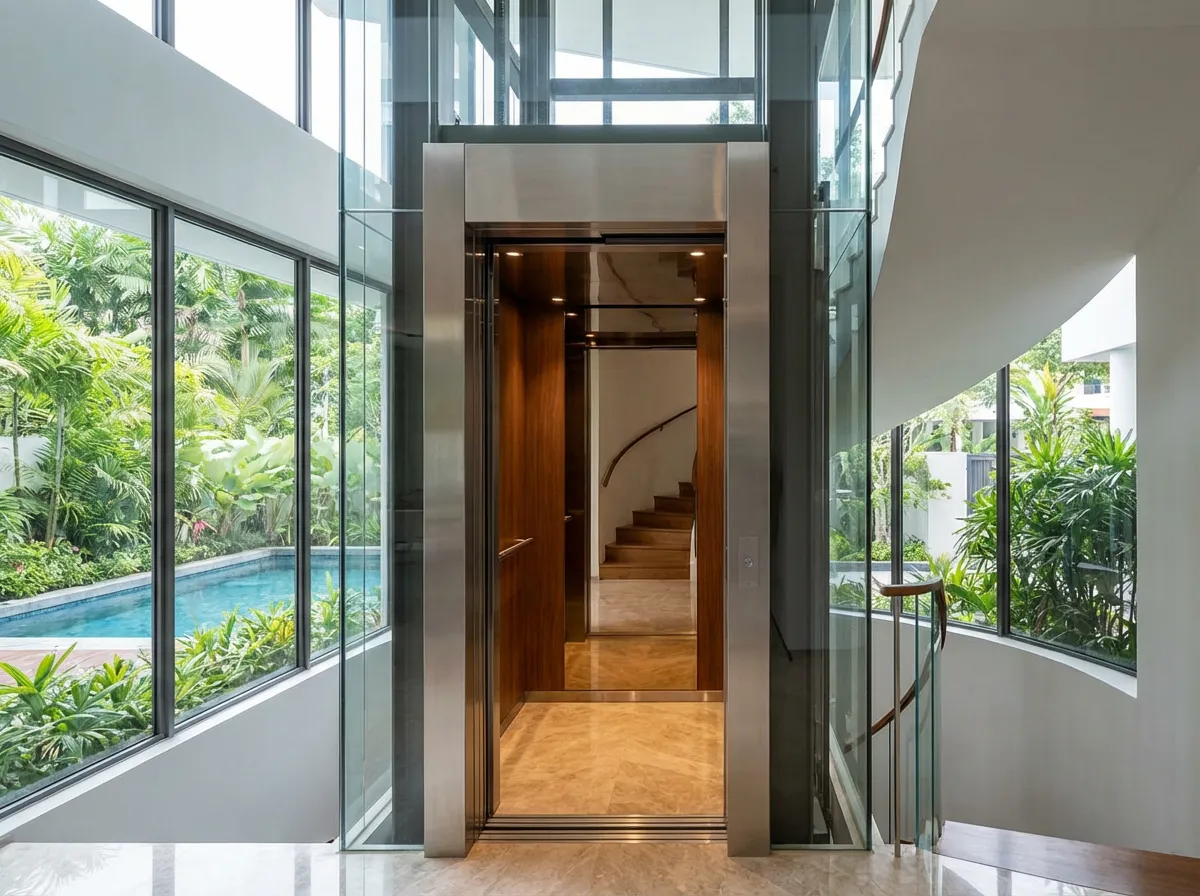
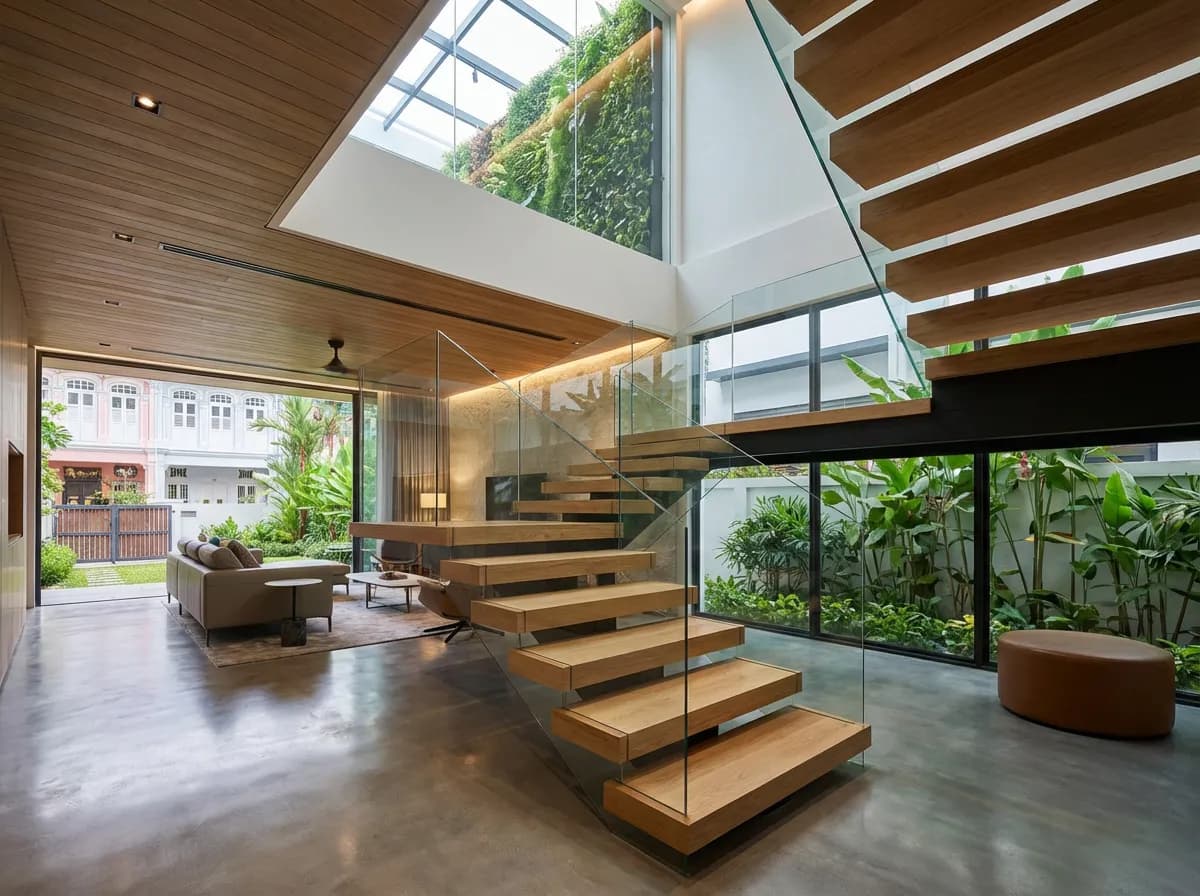
A staircase renovation can transform the character of your home. Modern open-riser designs create a sense of space, timber treads add warmth, and glass balustrades let light flow between floors. It's one of the highest-impact renovations per dollar spent.
Popular Materials and Styles
Solid timber treads (teak, oak, or walnut) remain the most popular choice for Singapore landed homes. They're warm underfoot, age beautifully, and work with both contemporary and traditional interiors. Budget $15,000–$30,000 for a full timber staircase overlay with new railings.
Natural stone (marble, granite, or terrazzo) suits grander homes and formal interiors. Stone is durable and cool underfoot — pleasant in Singapore's climate — but requires sealing and can be slippery when wet. Budget $20,000–$45,000 depending on stone selection.
For a contemporary look, consider a combination: timber treads with glass balustrades and steel stringers. This open, airy approach suits modern landed homes and creates a striking visual feature. Budget $25,000–$50,000.
Structural Considerations
Before choosing materials, have a structural assessment done. Your existing staircase structure (concrete, steel, or timber) determines what's feasible. Adding heavy stone to a timber-framed staircase, for example, may require structural reinforcement.
If you're changing the railing design — particularly removing a solid wall balustrade and replacing it with glass or metal balusters — a structural engineer should verify that the landing and staircase structure can handle the load redistribution.
Safety Requirements
Singapore's building code requires minimum handrail heights of 900mm for residential staircases, with balusters spaced no more than 100mm apart (to prevent children from getting through). If your renovation changes the balustrade, ensure compliance.
Non-slip surfaces are essential, especially with stone or polished timber. Options include textured stone finishes, anti-slip strips (which can look elegant in brass or bronze), or selecting timber species with naturally good grip.
The Renovation Process
A typical staircase renovation takes 2–4 weeks. The process: demolition of existing finishes (1–2 days), structural modifications if needed (2–5 days), new tread installation (3–5 days), railing and balustrade installation (3–5 days), and finishing touches (1–2 days).
You'll need to plan for access during renovation — if your staircase is the only route between floors, we stage the work to maintain access throughout. Some clients arrange temporary accommodation for the most disruptive phases.
At DirectHome, we handle everything from design consultation through to final cleaning. Our project coordinators ensure the timeline stays on track and your home stays liveable throughout the process.
Related Services
Need Help With Your Project?
Get a free site assessment and no-obligation quote.